
Choosing the Right Railing Material
Selecting the right railing material for your home or commercial space is a multifaceted decision that significantly influences both the aesthetics and functionality of the environment. With a myriad of options available on the market, a nuanced understanding of the key factors associated with each material is essential. This is to make an informed and satisfactory choice. In this comprehensive guide, we will delve deeper into the considerations that should guide your decision-making process when choosing the right railing material.
Durability and Maintenance
- Environmental Considerations: Coastal areas may expose railings to saltwater, necessitating corrosion-resistant materials. In contrast, inland locations might prioritize resistance to extreme weather conditions. Evaluate each material’s performance under specific environmental conditions to ensure longevity. Some examples of corrosion-resistant materials suitable for coastal areas include stainless steel, aluminum, and galvanized steel. These materials are specifically designed to withstand exposure to saltwater and resist rust and deterioration.
- Maintenance Aspects: Maintenance considerations extend beyond periodic cleaning. Some materials, like wood, require regular refinishing, while others, like aluminum or stainless steel, are low-maintenance. Understanding these nuances ensures a railing material that aligns with your maintenance preferences and time commitments. Under extreme weather conditions, such as heavy snowfall or high winds, stainless steel, aluminum, and galvanized steel are some of the best options for railing materials. These materials are highly durable and resistant to rust, corrosion, and deterioration, ensuring that they can withstand extreme weather conditions without breaking down. On the other hand, wood may not be the most suitable option as it may be more susceptible to weather damage and require more frequent maintenance.
Aesthetic Appeal
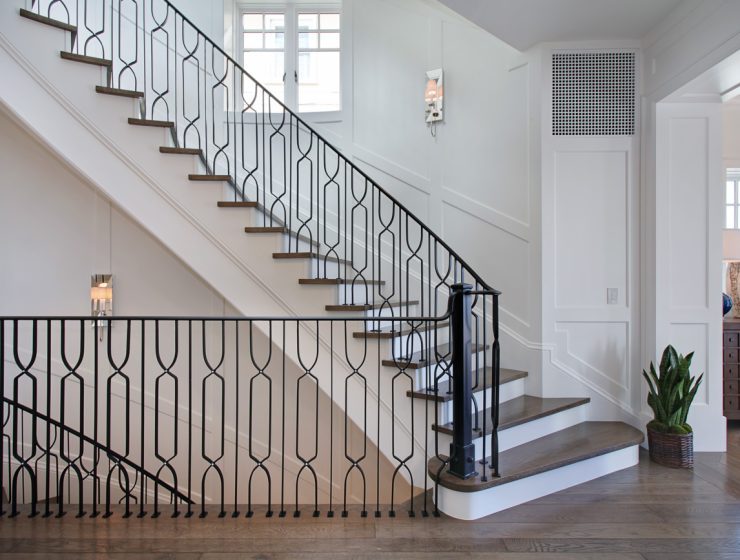
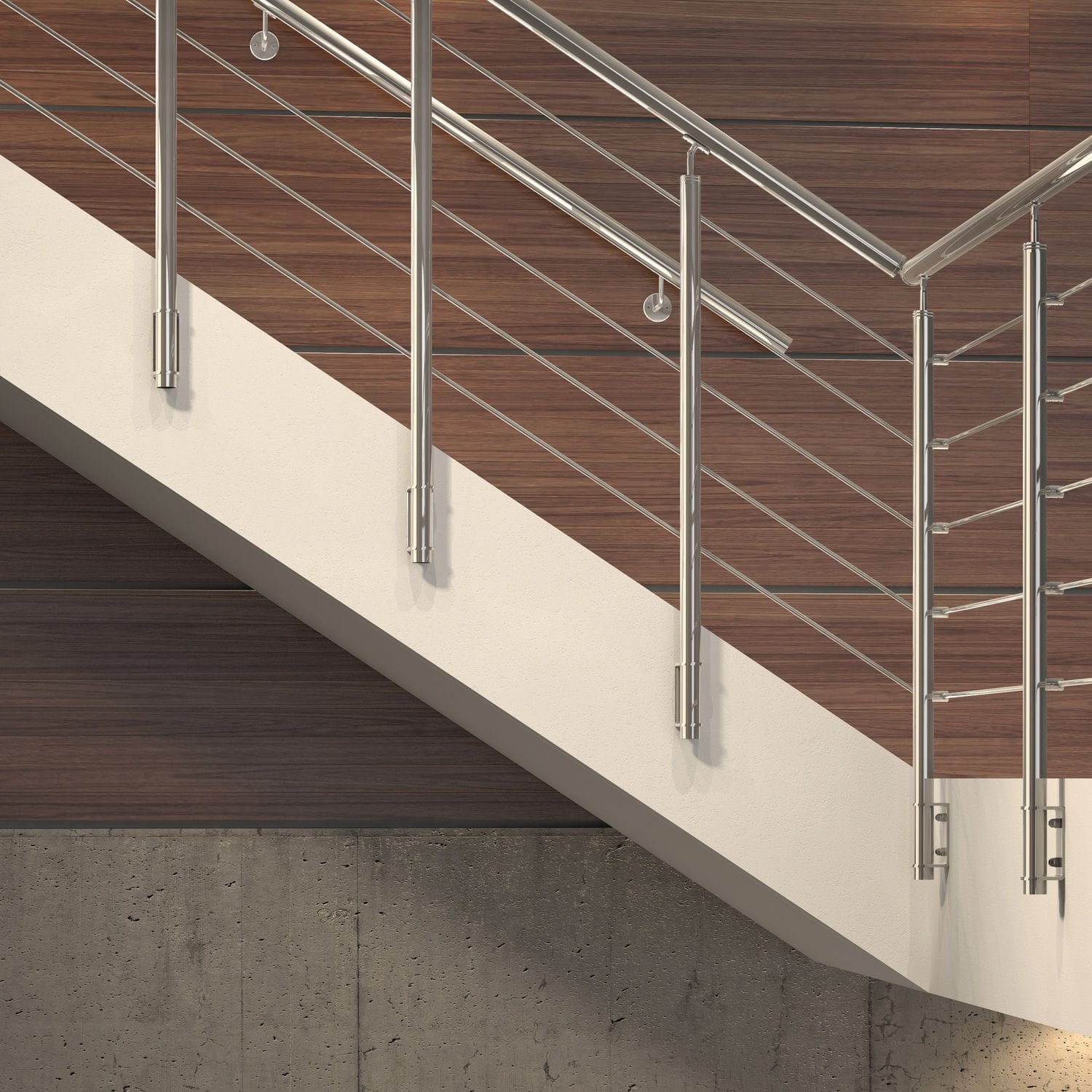
- Harmony with Design: Consider architectural styles, color schemes, and design motifs within your space. Materials like wrought iron exude classic charm, while glass or stainless-steel offer modern aesthetics. Ensure the selected material complements and enhances the overall visual appeal of your home or commercial property. Different railing materials can have varying impacts on architectural styles. For example, wrought iron railings can complement traditional or antique architectural styles, adding a sense of sophistication and elegance. On the other hand, glass or stainless steel railings can enhance modern or minimalist architectural styles, creating a sleek and seamless aesthetic. It is important to consider the desired architectural style and select railing materials that align with and enhance that look.
- Customization Options: Explore customization options for each material. Some materials lend themselves to intricate designs and patterns, allowing you to give a personal touch to your railing. Consider elements such as baluster styles, rail shapes, and decorative embellishments to tailor the railing to your unique preferences. Decorative embellishments can greatly impact the overall visual appeal of a railing. They add an extra layer of visual interest and can help customize the railing to match unique preferences. From intricate patterns to unique baluster styles, decorative embellishments can add a touch of elegance, charm, or even contemporary sophistication to a railing, enhancing its aesthetic appeal.
Budget Considerations
- Long-Term Cost Analysis: Beyond initial costs, factor in long-term expenses. High-quality materials may have a steeper upfront price but often prove cost-effective due to lower maintenance and replacement costs over time. Assess the lifespan of each material and calculate the total cost of ownership to make an informed financial decision.
- Consideration of Price Variations: Budget considerations should also account for potential changes in material prices and availability. Monitor market trends and fluctuations to ensure your project remains financially viable from beginning to end.
Safety Features:
- Strength and Reliability: Safety is paramount in railing selection, particularly in elevated areas or staircases Materials such as tempered glass, stainless steel, or aluminum are known for their strength and reliability. Evaluate each material’s load-bearing capacity and impact resistance to ensure it meets or exceeds safety standards. In elevated areas or staircases, railings must be able to withstand impact forces to prevent accidents or injuries. Materials such as tempered glass, stainless steel, or aluminum are chosen for their high impact resistance, meaning they can absorb and disperse energy without shattering or compromising structural integrity. This helps safeguard individuals from falls and provides a sense of security when using the railing.
- Additional Safety Features: Consider features like anti-slip surfaces on handrails for added safety, especially in moisture-prone areas. Prioritize materials that offer structural integrity and safety enhancements. The load-bearing capacity and impact resistance of railing materials are crucial factors in determining their suitability for safety-critical applications. In elevated areas or staircases, railings must be able to withstand impact forces to prevent accidents or injuries. Materials with high load-bearing capacity can handle the weight of multiple individuals and resist buckling or collapse, ensuring the safety of users. Additionally, materials with high impact resistance, like tempered glass, stainless steel, or aluminum, help safeguard individuals from falls by providing a shock-absorbing surface that prevents shattering or compromise of structural integrity.
Environmental Impact
- Sustainable Alternatives: For environmentally conscious consumers, assessing the ecological footprint of railing materials is crucial. Some materials, such as recycled steel or aluminum, bamboo, or composite materials, offer sustainable alternatives. Look for certifications indicating adherence to environmental standards and consider material longevity and recyclability. When considering the longevity and recyclability of railing materials, tempered glass, stainless steel, and aluminum come out on top. Tempered glass has a longer lifespan compared to other materials, and when it does reach the end of its usable life, it can be recycled into new glass products. Stainless steel and aluminum are highly recyclable, with recycling rates that exceed 90%. These materials can be continuously recycled without loss of quality, making them sustainable options for eco-friendly railing systems.
- Lifecycle Analysis: Consider the entire material lifecycle, from extraction or creation to disposal. Opt for materials with minimal environmental impact throughout their lifespan, promoting responsible construction practices. Throughout their lifecycle, tempered glass, stainless steel, and aluminum have minimal environmental impact compared to some other materials. Tempered glass has a longer lifespan and can be recycled, while stainless steel and aluminum are highly recyclable and have a recycling rate that exceeds 90%. These materials promote responsible construction practices and have a lower ecological footprint, making them sustainable options for eco-friendly railing systems.
Installation Complexity
- DIY vs. Professional Installation: Installation complexity influences project timelines and costs. Some materials, like pre-fabricated aluminum or vinyl, are designed for DIY installation. Conversely, materials like wrought iron or cable railings may require professional expertise. Assess your skills and tools availability before selecting a material. Assessing skills and tools availability before selecting a material for installation is crucial because it determines the feasibility and complexity of the installation project. Some materials, like pre-fabricated aluminum or vinyl, may be easier to install than others, like wrought iron or cable railings, which require professional expertise. By being honest with your abilities and equipped with the right tools, you can avoid potential complications and ensure a smooth and successful installation process.
- Timeline Considerations: Factor in installation time, specialized equipment, and whether professional assistance is advisable for a seamless project. Balancing installation complexity with your capabilities ensures smooth and efficient project completion. Mismatched skills and materials can result in improper installation, leading to safety hazards, compromised structural integrity, and aesthetic appeal. For example, attempting to install wrought iron or cable railings without professional expertise can result in uneven spacing between the railings, weakened connections, and an increased risk of failure. Similarly, choosing DIY-friendly materials but lacking the necessary skills can result in incorrect measurements, crooked installations, and a final product that is unappealing and unsafe. It is crucial to carefully assess one’s capabilities and match them with the right materials to avoid these potential complications.
Choosing the right railing material involves a comprehensive examination of factors such as durability, aesthetics, budget, safety, environmental impact, and installation requirements. By delving into the nuances of each consideration, you can make a well-informed decision that not only enhances the visual appeal of your space but also provides a functional and safe railing solution for years to come. This guide aims to empower you with the knowledge needed to navigate the plethora of options available. This will facilitate a choice that aligns with your specific requirements and preferences.