
Deciding Between Framed and Frameless Railings
Railings are not only functional components of a building but also contribute significantly to its aesthetic appeal and safety. One of the crucial decisions when designing or renovating a space is choosing between framed and frameless railings. Each option offers distinct advantages and considerations, catering to different architectural styles, personal preferences, and practical needs. In this article, we will explore the characteristics, benefits, and considerations of framed and frameless railings. This will help you make an informed decision about your project.
Framed Railings
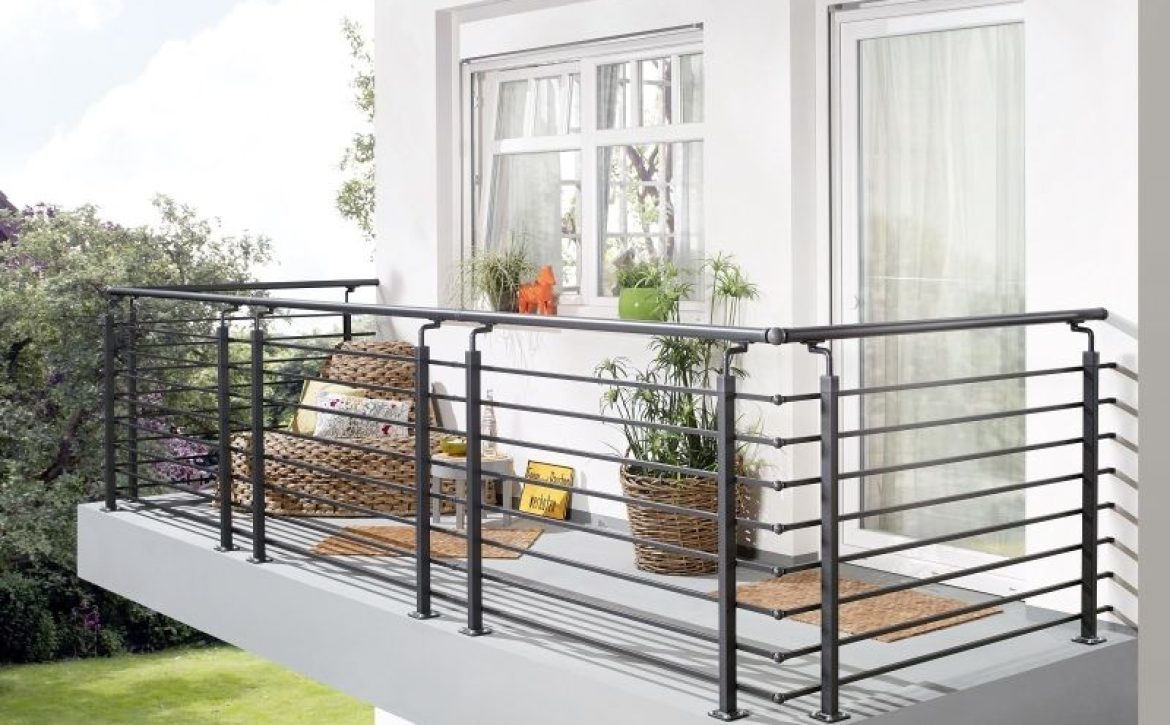
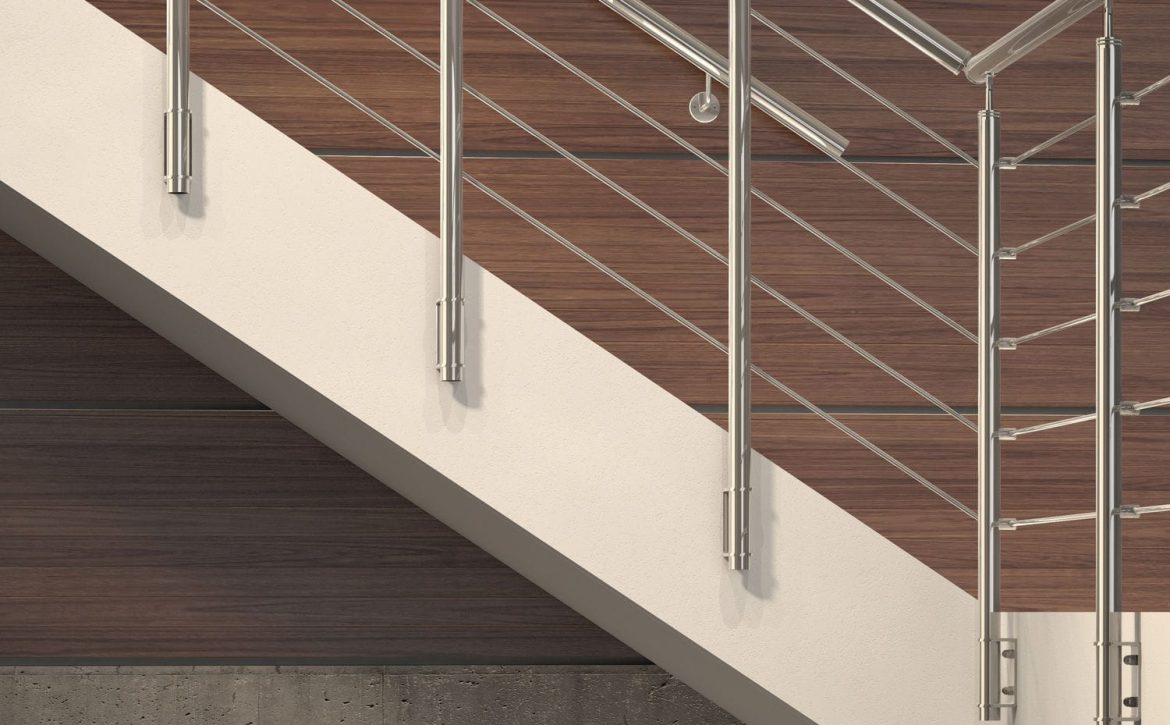
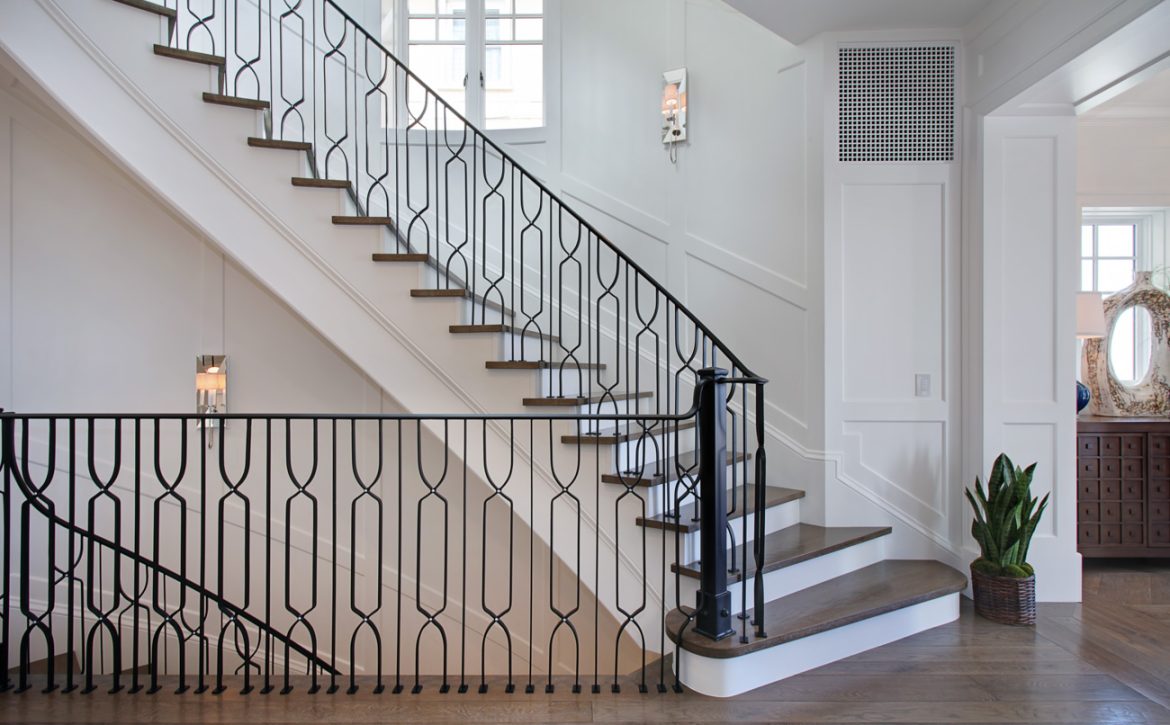
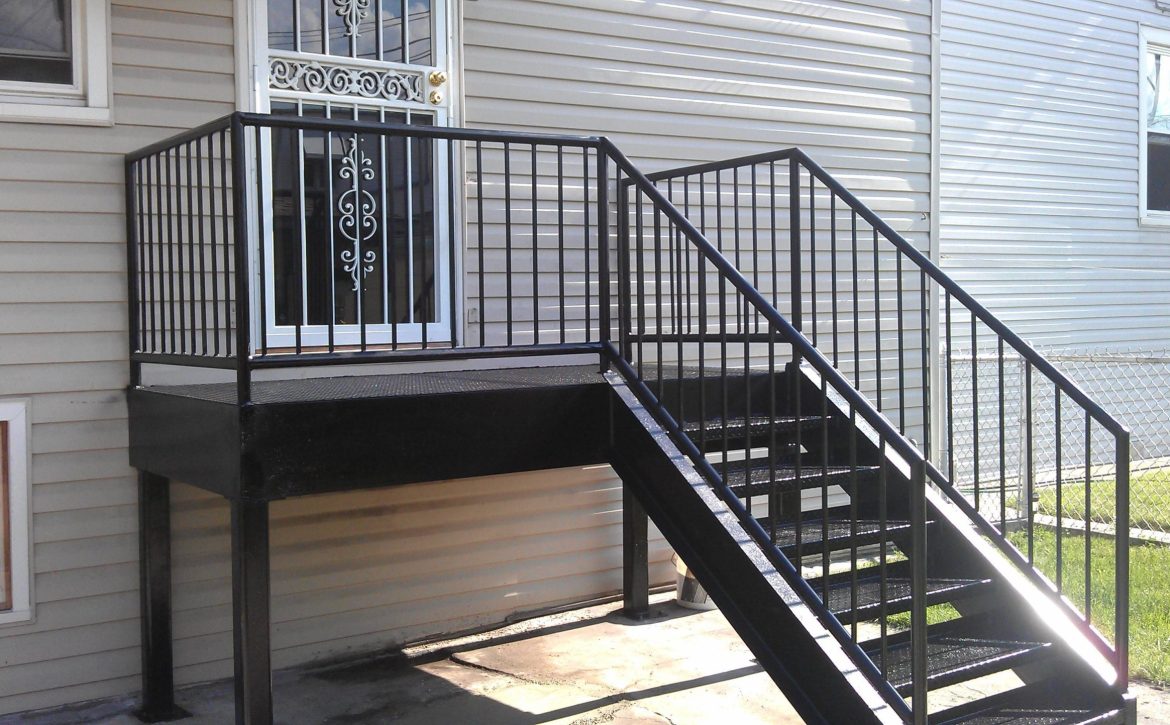
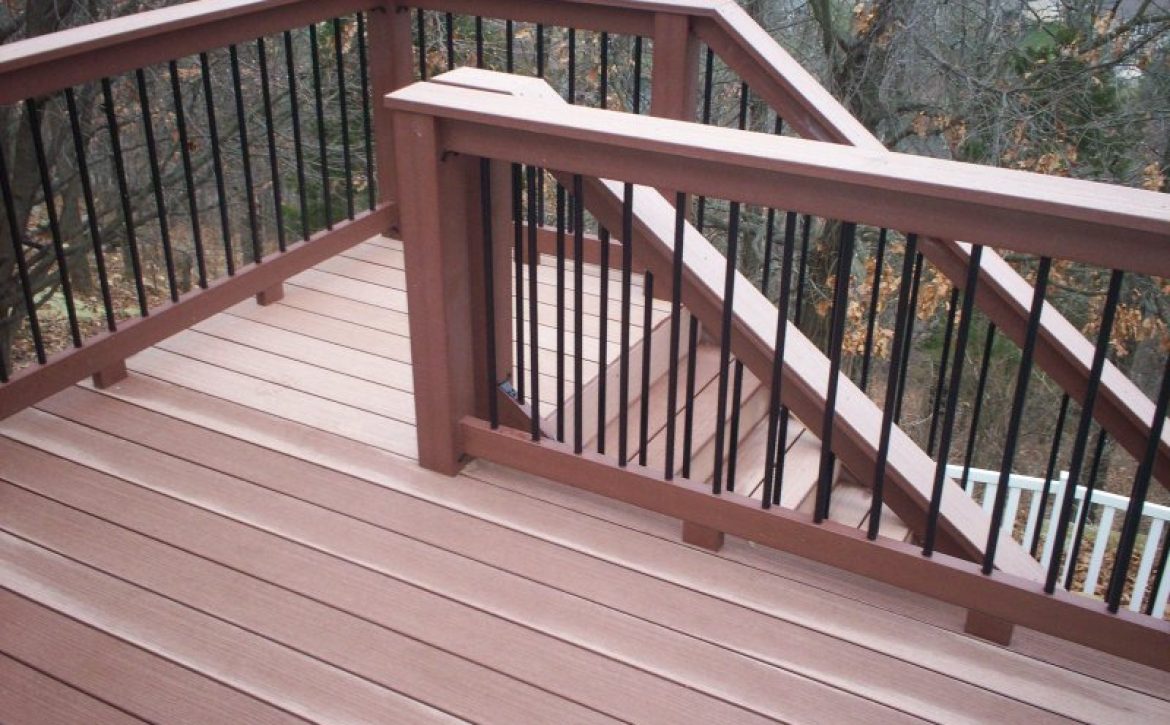
Framed railings feature vertical or horizontal posts that support the infill panels, creating a defined frame around the perimeter. These railings are commonly constructed using wood, metal, or composite materials, with infill options ranging from glass panels to metal balusters or cable systems.
The infill panels can be filled with a single material, such as wood, or multiple materials, such as metal and glass. Framed railings can be custom-made to suit any size or type of space. They are a popular choice for both residential and commercial applications.
Advantages of Framed Railings
- Structural Stability: The frame provides robust support and stability, making framed railings suitable for high-traffic areas or applications requiring enhanced safety.
- Design Versatility: Framed railings offer versatility in design, allowing for customization in terms of material choices, infill options, and decorative elements to complement various architectural styles.
- Enhanced Privacy: Depending on the infill material selected, framed railings can provide increased privacy, particularly when incorporating solid panels or opaque materials.
- Traditional Aesthetic: Framed railings often evoke a classic and timeless aesthetic, making them well-suited to traditional or transitional design schemes.
Considerations for framed railings
- Visual Obstruction: The vertical or horizontal posts of framed railings may create visual barriers, obstructing sightlines and views, particularly in settings where transparency and openness are desired.
- Maintenance Requirements: Depending on the materials used, framed railings may require regular maintenance to prevent corrosion, rust, or deterioration over time.
- Installation Complexity: Installation of framed railings may be more complex than frameless options, requiring precise measurements and professional expertise for proper assembly and alignment.
Frameless Railings
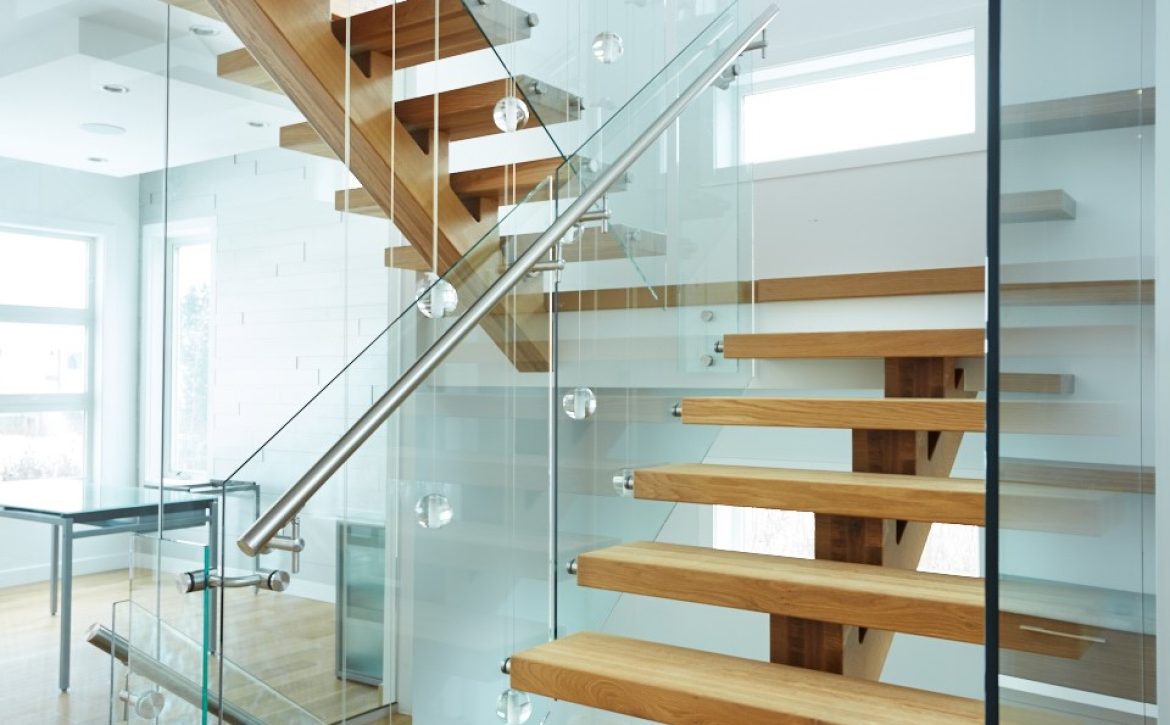
Frameless railings, also known as “invisible” or “all-glass” railings, eliminate the need for visible posts or frames, relying on specialized hardware and structural support for stability. These sleek and minimalist railings are typically constructed using tempered or laminated glass panels secured with clamps or standoff fittings.
Frameless railings are a popular choice for modern homes and businesses, offering a clean, open look that adds visual interest to a space. They are also ideal for areas where visibility is desired, such as stairwells and balconies, as they are virtually invisible.
Advantages of Frameless Railings
- Unobstructed Views: Frameless railings offer uninterrupted sightlines, maximizing natural light penetration and showcasing the surrounding views, making them ideal for modern and contemporary settings.
- Sleek Aesthetic: Frameless railings create a clean and streamlined appearance, enhancing spaciousness and sophistication in interior and exterior spaces.
- Low Maintenance: Glass panels are resistant to corrosion, weathering, and staining, requiring minimal maintenance to maintain their clarity and transparency over time.
- Universal Compatibility: Frameless railings seamlessly integrate with various architectural styles, adapting to both residential and commercial environments easily.
Considerations for Frameless Railings
- Structural Requirements: Frameless railings rely on specialized hardware and structural support systems to ensure stability and safety, necessitating careful consideration of load-bearing capacities and installation specifications.
- Cost Considerations: Frameless railings may entail higher initial costs compared to framed options due to the use of premium materials and specialized hardware.
- Safety Regulations: While frameless railings provide an elegant and contemporary aesthetic, they must comply with safety regulations and building codes to ensure adequate protection against falls and other hazards.
Deciding between framed and frameless railings involves weighing various factors, including architectural style, design preferences, practical requirements, and budget considerations. Framed railings offer structural stability, design versatility, and enhanced privacy, making them well-suited to traditional and transitional settings. On the other hand, frameless railings provide unobstructed views, a sleek aesthetic, and low maintenance benefits, ideal for modern and contemporary environments. By carefully evaluating the advantages and considerations of each option, you can select the railing solution that perfectly suits your project’s needs. This will enhance the overall beauty and functionality of your space.