
Analyzing the Price Variance Between Glass and Iron Railings
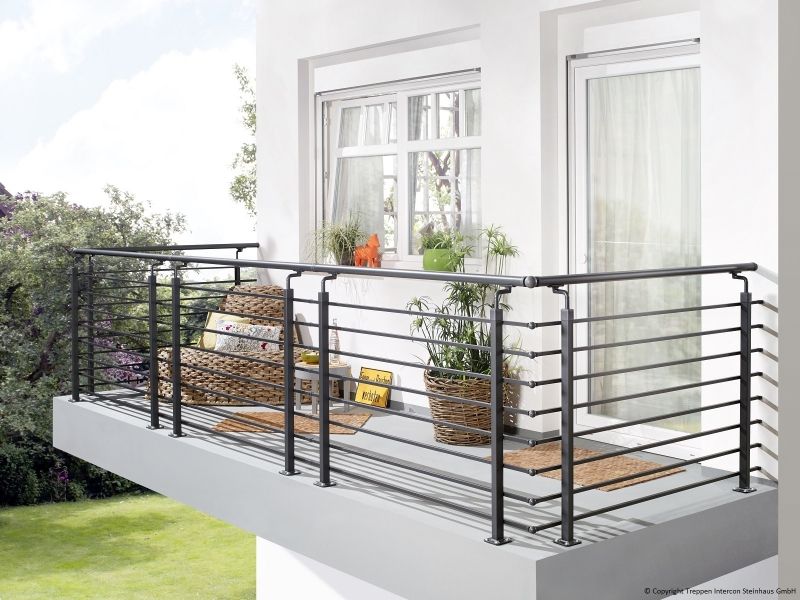
Selecting the ideal railing material is a pivotal decision that impacts both your property’s safety and aesthetics. Among the plethora of options available, glass and iron railings emerge as prominent choices, each presenting distinct advantages and considerations. Delving into the factors influencing their costs can greatly facilitate decision-making.
Glass railings are more expensive than iron railings, mainly due to the cost of installation, which can range from a few hundred dollars to several thousand. Additionally, glass railings may require more frequent maintenance than iron railings. Therefore, it is important to weigh the pros and cons carefully before selecting the ideal railing material.
Material Costs
Iron railings, typically crafted from wrought iron or steel, boast a cheaper initial investment than their glass counterparts. The raw materials utilized in iron railings, such as iron rods or steel bars, are widely accessible and cost-effective to manufacture and install. Additionally, iron railing components often require less processing and fabrication, further contributing to their affordability.
Conversely, glass railings, especially those constructed from tempered or laminated glass, often incur higher material expenses. Glass panels fabrication involves intricate procedures like cutting, polishing, and tempering, contributing to the overall cost. Furthermore, the quality and thickness of the glass can influence its price, with thicker and more resilient glass commanding a premium. Additionally, specialized hardware and fittings are often necessary to secure glass panels, adding to material costs.
Additionally, labor costs may also be higher due to the skill required to install the glass panels. Moreover, the cost of transporting glass panels can be significant depending on the size and type of glass panels.
Installation Complexity
The installation process for both glass and iron railings can vary based on factors like design intricacy, layout, and structural prerequisites. However, glass railings frequently necessitate more elaborate installation techniques, particularly for frameless designs reliant on specialized hardware and meticulous measurements to achieve a seamless appearance.
Consequently, glass railings may cost more to install than iron railings. Skilled labor is imperative to ensure precise alignment, anchoring, and sealing of the glass panels, thereby escalating overall installation expenditures. Additionally, glass fragility necessitates careful handling during transportation and installation, further contributing to installation complexity and costs.
Furthermore, glass railings may require more frequent maintenance than iron railings since they may require more regular cleaning. Additionally, glass railings may require special insurance coverage in case of breakage or other damage.
Maintenance and Long-Term Durability
Iron railings offer a lower initial cost, they may demand more upkeep and maintenance than glass railings over time. Iron railings are susceptible to rust and corrosion, particularly in outdoor or high-moisture settings, necessitating periodic painting or coating to shield against deterioration. Additionally, iron railings may require periodic inspections and repairs to address issues such as rust spots or loose fittings, adding to maintenance expenses.
In contrast, glass railings require relatively minimal maintenance, merely requiring occasional cleaning with mild soap and water to preserve their clarity and appearance. Tempered or laminated glass exhibits exceptional durability, resisting scratching, fading, and discoloration, delivering long-term value and aesthetics with minimal maintenance efforts. Furthermore, glass’s non-porous surface inhibits the growth of mold, mildew, and bacteria, enhancing its longevity and hygiene.
Glass railings are also environmentally friendly, being made from recycled materials and requiring no toxic finishing treatments or paints. Additionally, glass railings are lightweight, making them easy to install and maintain.
Design and Customization Options
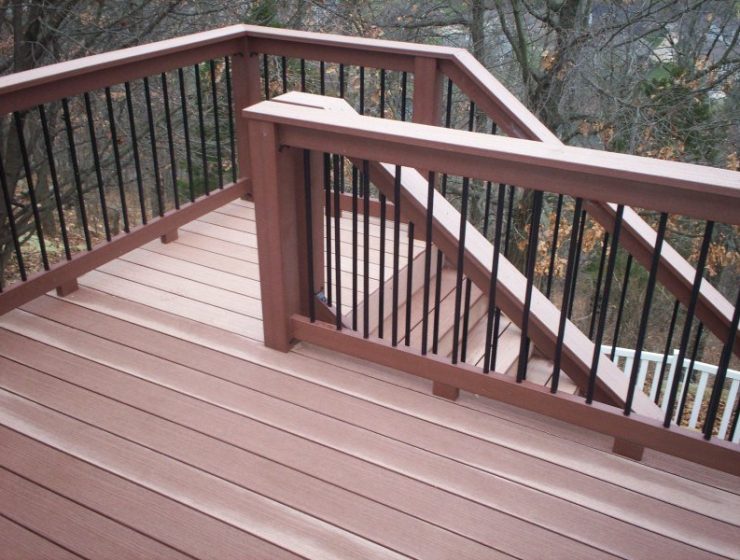
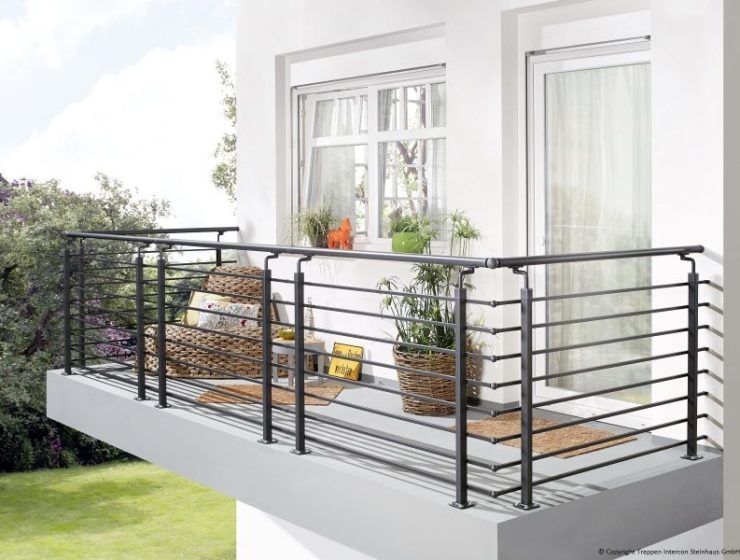
Glass and iron railings provide an extensive array of design possibilities to accommodate various architectural styles and personal preferences. Iron railings are renowned for their ornate and decorative elements, allowing for intricate scrollwork, patterns, and customized finishes to enhance visual allure. Additionally, iron railings can be fabricated in a wide range of shapes, sizes, and profiles, offering flexibility in design customization to suit diverse aesthetic preferences.
Glass railings, particularly frameless designs, exude a sleek and contemporary aesthetic that complements modern and minimalist interiors. Offering customizable options such as tinted or frosted glass, etched patterns, and stainless-steel hardware, glass railings offer versatility and sophistication to elevate any space. Furthermore, glass’s transparency enhances spatial perception and visual continuity. This makes it an ideal choice for enhancing panoramic views and natural light penetration in both residential and commercial settings.
Glass railings are also highly durable and resistant to corrosion and scratching. Additionally, they are low-maintenance and require minimal upkeep, making them an ideal choice for those looking for a long-lasting, stylish railing solution.
Environmental Considerations
When evaluating long-term costs, it’s essential to consider the environmental impact of each railing material. Iron railings, while durable, may require more frequent replacement or refurbishment due to corrosion and degradation over time. This can result in increased material consumption and waste generation, contributing to higher environmental costs. Additionally, paint or coatings applied to iron railings may introduce harmful chemicals into the environment during manufacturing and maintenance processes.
On the other hand, glass railings, especially those made from recycled materials, offer a more sustainable option with a reduced environmental footprint. Glass is infinitely recyclable and can be repurposed into new products, minimizing raw materials extraction and reducing waste sent to landfills. Furthermore, glass railings’ durability and longevity mitigate the need for frequent replacements or repairs, further minimizing their environmental impact over the product lifecycle.
Furthermore, glass railings are easy to maintain and do not require any special cleaning or care, saving time and energy. Additionally, glass railings offer an attractive, modern aesthetic, making them a popular choice for both residential and commercial applications.
The price variance between glass and iron railings is influenced by factors including material costs, installation complexity, maintenance requirements, design options, and environmental considerations. While iron railings may offer a lower initial outlay, glass railings provide enduring durability, ease of maintenance, and modern aesthetics. These attributes justify their higher upfront cost for many homeowners.
Ultimately, the selection between glass and iron railings hinges on factors like budget, style preferences, functional needs, and environmental considerations. By meticulously evaluating these factors and weighing the pros and cons of each option, homeowners can make an informed decision that enhances their property’s value, aesthetics, and sustainability.